Designing for two users at once
(Experienced user)
The user who wants full control — deliberate model selection, per-model personas, full configuration before a single prompt is sent.
That's usually where my work begins.
I'm Kelly, a UX/UI designer who enjoys understanding
what people are trying to accomplish and designing
experiences that help them get there with less friction.
Selected work
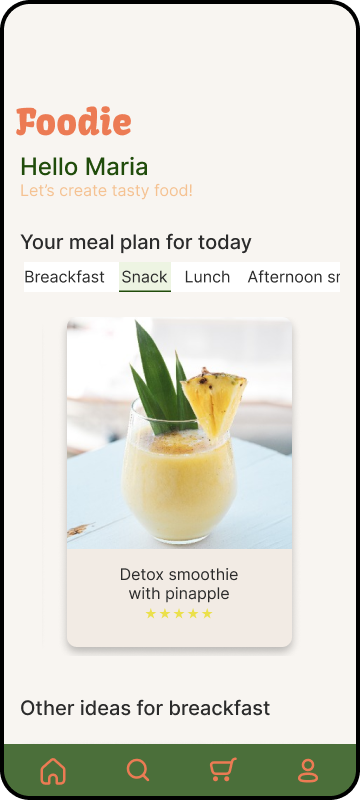
The user who just wants to start — guided setup, smart defaults, zero friction.
See more
The user who wants full control — deliberate model selection, per-model personas, full configuration before a single prompt is sent.
Design becomes meaningful when it helps someone
move forward with confidence.
A belief that shapes how I approach design.
Life that shaped my design thinking
Hover to see how each one connects to the work.
Six years as a professional chef
Hover to see the connection →
A kitchen teaches you to work under pressure, read people quickly, and make hundreds of small decisions that add up to one experience someone either remembers or forgets. It taught me that good experiences rarely come from a single moment — they emerge from how everything works together.
Redesigning 75sqm with no right angles
Hover to see the connection →
I turned a crooked apartment into a two-bedroom home with ensuites, hidden storage, and a desk behind a door — no architect, just observation and persistence. It taught me that constraints aren't obstacles. They're the brief. Every design problem I touch now starts with understanding the space, not fighting it.
Launching a new concept from scratch
Hover to see the connection →
Helping build a new restaurant concept taught me that the hardest part isn't creating the solution. It's understanding who you're creating it for. Defining the audience came before every decision that followed. Ask first. Design second.
Warm cinema and human stories
Hover to see the connection →
Cinema taught me that people don't need every detail explained to them. The stories that stay with us leave room for interpretation, trust the audience, and reveal information at the right moment. That changed how I think about communication, clarity, and attention.
Challenges that sharpen my agility
Some lessons only arrive under pressure, with strangers, and no obvious answer.
I joined a company hackathon in a Business Analyst role — remotely, which added its own layer of challenge. My job was to research the problem space, make sense of what we found, and help shape how we communicated it. Working with my manager to prepare the final presentation pushed me to think about more than just the design. How do you connect research to business goals? How do you tell a story that lands when you only have minutes and your audience has competing priorities? I learned that under time pressure, clarity matters more than completeness. And that the best presentations are built backwards — starting with what you want people to feel, then working out what they need to know.
Research without storytelling is just data. That hackathon taught me they're inseparable.
The second hackathon was in person — and the difference was immediate. Being in the same room as people from completely different disciplines and backgrounds opened up conversations that wouldn't have happened on a call. The research and concept development felt faster, messier, and more alive. But what stayed with me most wasn't the work itself — it was the people. The exchange of perspectives, the way someone from a completely different field sees the same problem differently, the unexpected connections you make when you're not behind a screen. That kind of exposure is something no course can replicate.
The most valuable thing I left with wasn't a deliverable. It was a wider view of how different minds approach the same question.
I'm preparing to participate in the September hackathon with my own team. Two hackathons in, I know what I bring and I know where I want to grow. This time I want to be part of shaping the ideas and the collaboration from the very beginning — not just executing on someone else's direction, but helping set it. I'm excited and a little nervous. That's usually a good sign.
Curiosity got me here. Initiative is what takes me further.
Books that shaped my thinking
Thinking, Fast and Slow
This book changed how I read user behaviour. People aren't irrational — they're running on instinct most of the time, and logic comes after. Every interface I design now tries to respect System 1 first.
The Design of Everyday Things
Taught me to look at the world as a designer before I even knew I was one. Every door that confuses you, every switch that's in the wrong place — that's a design failure. I started seeing them everywhere, and I haven't stopped since.
Hooked
Understanding how products build habits made me more responsible as a designer. Knowing how to hook someone is only useful if you're asking why you should — and whether what you're building actually serves them.
Sensitive antennae
Ezra Pound once wrote that artists are the antennae of the race. Seven years later, Kostis Karyotakis wrote the same thing in Greek — without ever knowing Pound had said it. Same era, same image, two different languages. I think about that a lot. I'm not a poet. But I feel things before I can name them. These moments are where that shows.
Rome was a childhood dream. And when I finally got there at 22, young and full of enthusiasm, it didn't disappoint — the buildings, the art on every corner, the beauty hiding in plain sight even among all the tourists. But my most treasured memory from that trip wasn't a museum or a monument. It was a sunset from above Piazza del Popolo. Standing up there I felt so small. And at the same time so completely amazed. The sky had dyed the city in colours I struggle to describe. From up there I could see the dome of St Peter's Basilica changing — yellow first, then orange, then deep orange, the last colour before the sun gave up for the day. I've seen many sunsets since. That one I still carry with me.
From the outside, Sagrada Família is overwhelming — an explosion of detail, symbolism, and ambition that your eyes don't know where to rest. But then you step inside. Tall pillars that look like trees. Clean, calm, minimal. The contrast stopped me completely. I understood immediately that the outside wasn't the point — it was the preparation. It was there to overwhelm you so that the inside could breathe. Then the sun started to set and hit the stained glass windows. The whole space filled with this dim, warm light — orange and yellow bleeding into everything, not bright, not dramatic. Just alive. I would have stayed until they asked me to leave if the sun hadn't done it first.
It was my last night in the city. A three-hour night tour through historic streets and up to the palace on the hill. What I didn't expect was him — our guide, in full costume, carrying an old oil lamp, with the kind of theatrical presence that makes you forget you're a tourist on a package tour. He told stories of the city as if he'd lived them himself. The streets felt different, the darkness felt intentional, the history felt alive. For three hours my mind never once drifted. Not for a second. I've thought about that night many times since — not because of Budapest, but because of what he understood that most people don't. It's not just what you say. It's how you make people feel while you're saying it.
I had dreamed of Keukenhof for years. Tulips are my favourite flower and this was the place. The day itself was completely mad — sun, then snow, then hail, then sun again, then rain, the sky couldn't make up its mind. But the moment I walked through the gates none of that mattered anymore. It was the start of the season so the gardens were nearly empty — just me, the paths, and an endless variety of tulips in colours I didn't know existed. The snake-like paths led you deeper without telling you where you were going. Then I stepped into the greenhouse — surrounded by tulips on every side, the noise of the weather outside completely gone. There was no order but it felt like there was order. Nature knows how to calm. People should observe it more.
Since childhood I loved observing the paintings in my school books — the details, the stories they told. Later, as an adult, I visited museums and stood in front of originals. I never became an expert or dove into the mystery of art's language. I just loved to observe and form my own perspective of what each piece was telling me. But nothing had ever reached me like that painting. I was walking through Monet's atelier, paintings everywhere, and then my eyes just locked on her. A woman alone in a field. I couldn't move. Tears came before I understood why — completely out of my control. For a moment she felt alive, and I felt like I was looking at myself from another time. I still can't explain it. But then again, art was never meant to be explained by logic.
About me
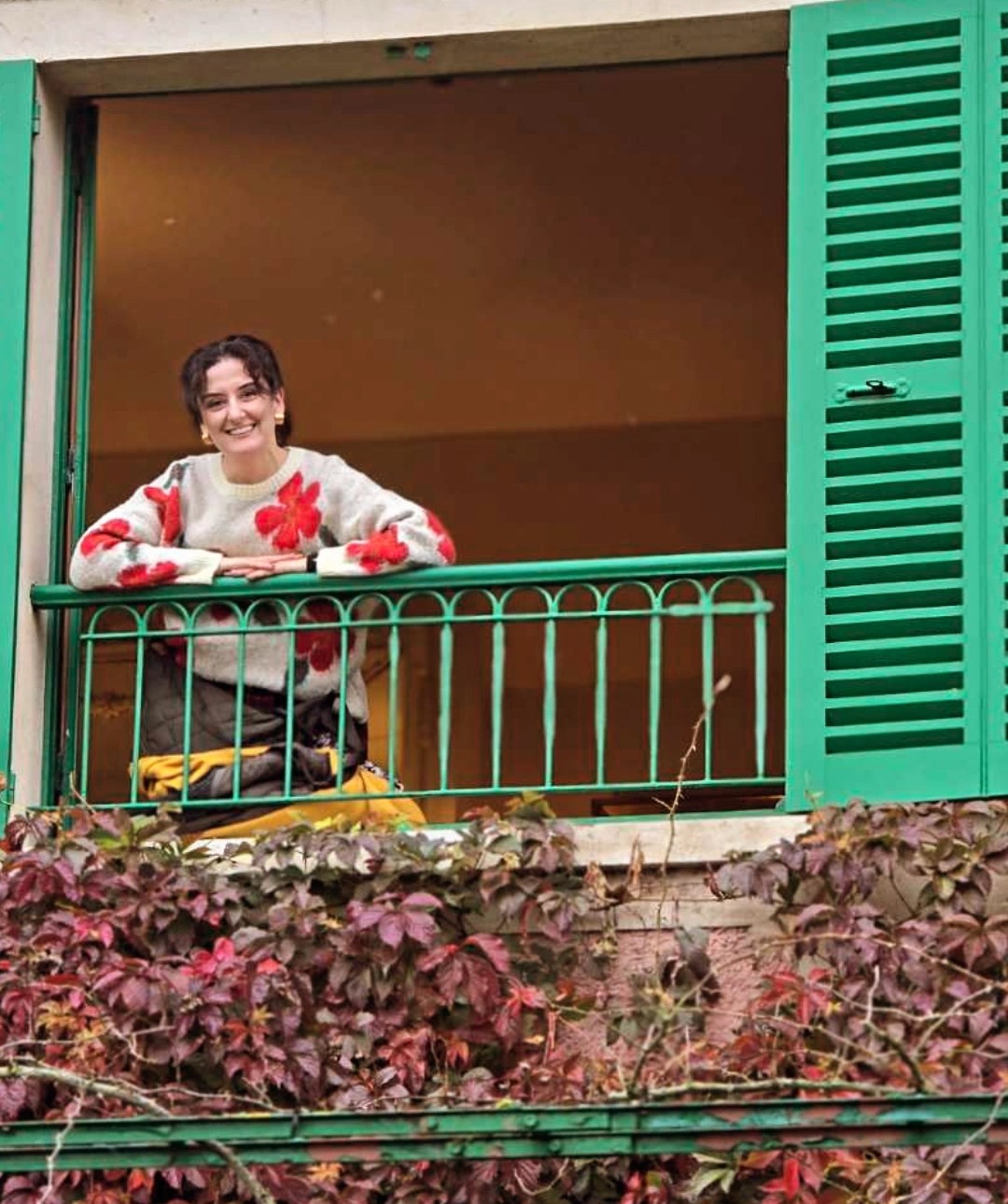
I'm a UI/UX Designer based in Greece. I came to design through an unconventional path — and that background shapes everything about how I work. I observe carefully, ask before I design, and care more about the person on the other side of the screen than the pixels in front of me.
The biggest thing two years in this field has taught me? The most important design tool isn't Figma. It's the right question asked at the right moment. Getting the brief right matters more than getting the pixels right.
I use AI openly and intentionally — to challenge assumptions, explore alternatives, and accelerate my own learning. Not to replace thinking. To sharpen it.
I'm currently a UI/UX Designer at Apparent Services — a digital and AI product studio working across web and mobile — where I've spent the last nine months designing and collaborating with developers, learning what it means to ship work in a fast-moving environment.
What fuels my curiosity
Skills & Tools
Get in touch
I'm open to freelance, full-time, and conversations that don't have an agenda yet. Drop me a line.
michailidouk@gmail.comI typically respond within 1–2 business days.